
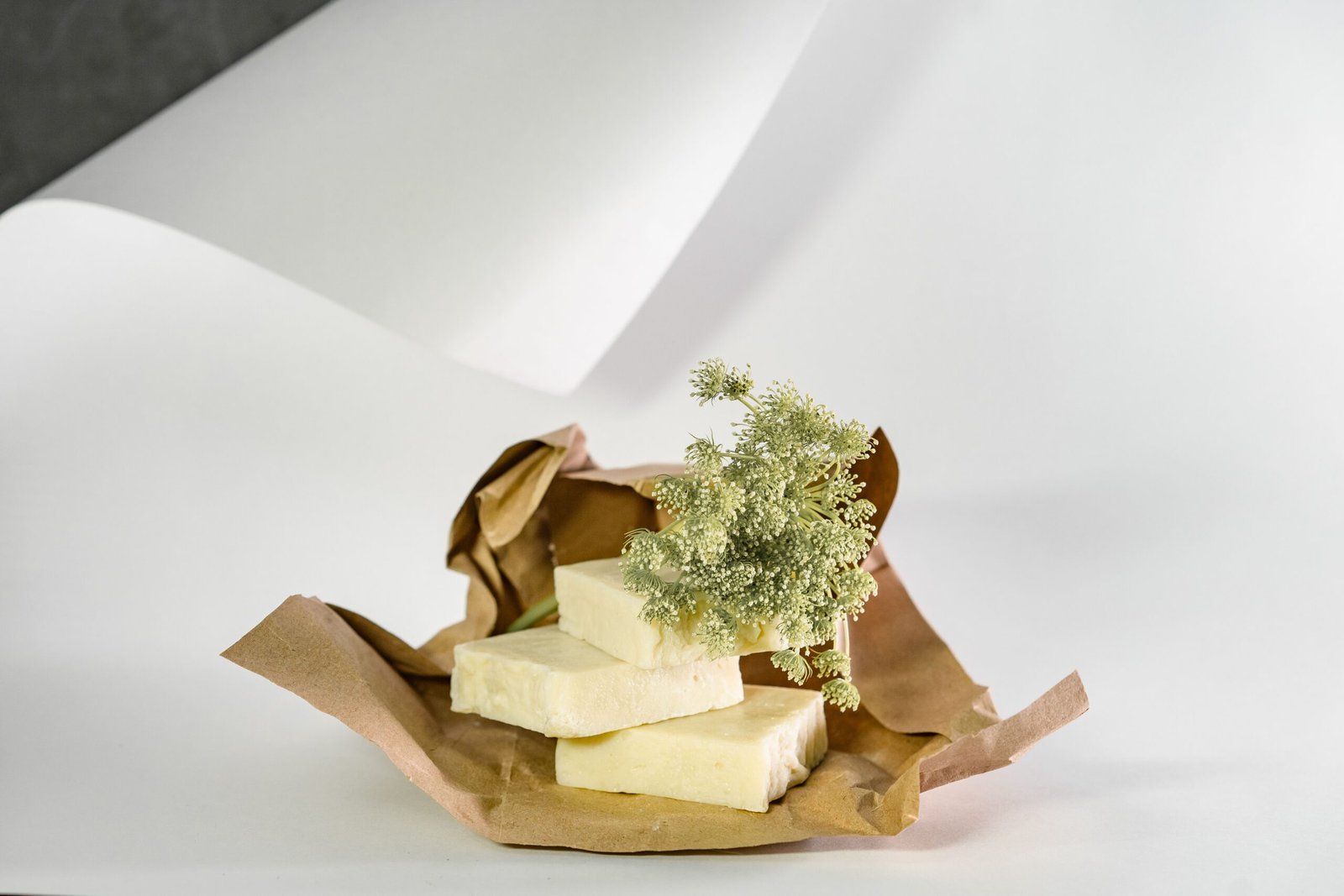
The phrase tallow tallow is simply a repeated search term for tallow, a traditional rendered animal fat that has been used in cooking, soap making, candles, skincare products, and other applications for generations. Today, tallow has attracted renewed attention as people explore traditional cooking ingredients, animal fats, homemade products, and different approaches to food preparation.
Tallow is most commonly made by rendering the fat from cattle or sheep. During rendering, solid animal fat is heated gently so that moisture and impurities separate from the usable fat. Once filtered and cooled, the finished product can become firm at room temperature and can be stored for later use.
The qualities of tallow depend on the animal source, the part of the animal used, the rendering process, and how the finished fat is stored. Beef tallow is particularly familiar in cooking because it has a relatively high smoke point and a rich flavor that works well in certain recipes.
Whether you have encountered tallow tallow because you are interested in cooking, traditional ingredients, soap making, or skincare, understanding how tallow is produced and used can help you decide whether it fits your needs.
What Is Tallow?
Tallow is a rendered form of animal fat, traditionally obtained from cattle or sheep. Rendering involves heating the fat so that water and other non-fat components separate from the lipid portion. The purified fat can then be strained and cooled for storage.
Beef tallow is the variety most commonly discussed today. It has a firm texture when cool and can become liquid when heated. Its stability and texture have made it useful in cooking and food preparation for a very long time.
Tallow is different from ordinary meat fat in that it has undergone rendering. Raw animal fat contains water and connective tissue, whereas properly rendered tallow has had much of this material removed.
The final appearance can range from creamy white to pale yellow depending on the source and rendering method. High-quality tallow should generally have a clean appearance and a characteristic but not overwhelmingly unpleasant aroma.
Tallow can be made commercially or at home. Homemade rendering requires careful temperature control and filtration because remaining moisture or impurities can reduce shelf life.
How Is Tallow Made?
Making tallow begins with obtaining suitable animal fat. Beef fat from areas around the kidneys, sometimes called suet, is traditionally valued because it can produce a relatively clean and firm finished fat.
The fat is first trimmed and cut into smaller pieces. Smaller pieces expose more surface area to heat, helping the rendering process happen more evenly.
There are several methods for rendering. One approach involves placing the fat in a heavy saucepan or slow cooker and heating it gently. As the fat warms, the solid material releases liquid fat. The temperature should be controlled carefully because excessive heat can darken the tallow and produce a stronger flavor.
Once much of the fat has melted, the liquid is filtered through a fine strainer or suitable filtering material. The goal is to remove remaining pieces of tissue and other solids.
The filtered fat is then poured into clean, dry containers and allowed to cool. As it solidifies, it develops the firm texture associated with tallow.
Moisture is one of the main factors that can affect storage. Properly rendered tallow should contain as little water and residual material as practical. Clean equipment and careful handling are important throughout the process.
What Is Tallow Used For?
One of the most traditional uses of tallow is cooking. It can be used for frying, roasting, sautéing, and other applications where a stable cooking fat is useful.
Tallow can contribute a distinctive savory flavor. This makes it particularly suitable for foods where a richer taste is desirable. It has historically been used for frying potatoes and preparing various meat dishes.
Outside the kitchen, tallow has also been used in soap making. When combined with the appropriate ingredients, animal fats can contribute to the structure and cleansing properties of traditional soaps.
Candles are another historical application. Before modern petroleum-based and vegetable-based alternatives became widespread, animal fats were commonly used for candle production.
Today, tallow can also be found in some personal-care products. Tallow-based balms and creams are marketed for use on dry skin, although individual products differ considerably in formulation and evidence supporting specific cosmetic claims.
Industrial applications have also existed for rendered animal fats. Depending on purity and processing, animal fats can be used in products such as lubricants, cleaning materials, and other manufactured goods.
The repeated phrase tallow tallow does not refer to a special category of tallow. It simply points toward the broader subject and its many traditional and modern uses.
Is Tallow a Good Cooking Fat?
Tallow can be useful for certain cooking applications because it is relatively heat stable and has a distinctive flavor. It is particularly suitable for frying and roasting foods where its savory character complements the dish.
However, whether tallow is a good choice depends on the overall diet and the type of cooking being done. Tallow is high in saturated fat, so it should be considered alongside other dietary fat sources rather than automatically replacing every other oil.
Modern dietary guidance generally emphasizes the importance of limiting excessive saturated fat intake and choosing a variety of unsaturated fat sources. Oils such as olive oil, canola oil, and other vegetable oils can provide different fatty acid profiles and may be useful parts of a balanced eating pattern.
This does not mean that tallow can never be used. A small amount used occasionally for flavor or a particular cooking method can fit into many eating patterns.
The key is moderation and dietary variety. Tallow is an ingredient, not a complete nutritional strategy. The overall pattern of food intake matters much more than whether a person uses one particular cooking fat.
What Nutrients Does Tallow Contain?
Tallow is almost entirely fat, which means it provides a concentrated source of dietary energy. Unlike foods such as vegetables, legumes, or whole grains, it contains little carbohydrate or protein.
Its fatty acid composition includes saturated and monounsaturated fats, along with smaller amounts of other fatty acids. The exact composition can vary according to the animal’s diet, breed, tissue source, and processing.
Tallow may also contain small amounts of fat-soluble compounds, although it should not be treated as a major source of vitamins simply because some naturally occurring nutrients can be present.
Because tallow is energy dense, portion size matters. A relatively small amount can add significant calories to a meal.
People who are monitoring saturated fat intake should pay particular attention to how much tallow they consume. Nutrition needs vary between individuals, so people with specific dietary requirements can discuss appropriate fat intake with a qualified healthcare professional or registered dietitian.
Tallow for Soap and Skincare
Tallow has a long history in traditional soap making. When properly processed, animal fats can be combined with an alkali through a chemical process called saponification to create soap.
Tallow-based soap is valued by some traditional soap makers because it can produce a firm bar with a particular lather and feel. The final characteristics depend on the fat, formulation, curing process, and other ingredients.
Tallow also appears in some modern balms and moisturizers. These products are often marketed toward people interested in traditional or animal-fat-based skincare.
It is important to distinguish cosmetic claims from established medical evidence. A tallow-based moisturizer can function as an emollient because fats can help reduce water loss from the skin, but claims that tallow can treat specific skin diseases should not automatically be accepted without appropriate evidence.
People with sensitive skin should patch-test new cosmetic products where appropriate and stop using a product if irritation develops.
If a skin condition is persistent, painful, infected, or worsening, professional medical advice is more appropriate than relying on a cosmetic ingredient alone.
How Should Tallow Be Stored?
Proper storage helps preserve tallow’s quality. Because rendered tallow contains very little water when prepared correctly, it can be relatively stable compared with many foods containing moisture.
Tallow should be kept in a clean, tightly sealed container and protected from heat, moisture, light, and contamination. A cool pantry may be suitable for some properly rendered products, while refrigeration can provide additional protection and extend storage life.
For long-term storage, freezing is another option. Dividing tallow into smaller portions before freezing makes it easier to use only what is needed.
Always inspect stored tallow before use. Unusual odors, visible mold, significant discoloration, or other signs of spoilage are reasons to discard it.
Commercially produced tallow should be stored according to the manufacturer’s instructions. Homemade tallow requires particular care because the rendering process and residual moisture can vary.
Using clean, dry utensils each time also reduces the risk of introducing contaminants.
Frequently Asked Questions About Tallow Tallow
What is tallow tallow?
Tallow tallow is a repeated search phrase referring to tallow. Tallow itself is rendered animal fat, most commonly obtained from cattle or sheep.
Is tallow the same as lard?
No. Tallow is traditionally made from rendered beef or mutton fat, while lard is rendered pork fat. They have different textures, flavors, and fatty acid profiles.
Can tallow be used for frying?
Yes. Tallow has traditionally been used as a cooking and frying fat. Its flavor and relatively high heat stability make it suitable for certain frying applications.
Is tallow healthy?
Tallow is a concentrated source of fat and contains a substantial amount of saturated fat. Whether it fits into a healthy diet depends on the amount consumed and the person’s overall dietary pattern.
Can tallow be used on skin?
Tallow is used in some cosmetic products such as balms and moisturizers. Its suitability depends on the formulation and individual skin type. Cosmetic products should not be assumed to treat medical skin conditions.
How long does tallow last?
Storage life depends on how well the tallow was rendered, how much moisture remains, packaging, temperature, and exposure to contamination. Properly rendered tallow stored under suitable conditions can remain usable for an extended period, but it should always be checked for signs of spoilage.
Final Thoughts on Tallow Tallow
The search phrase tallow tallow points toward an ingredient with a long and varied history. Tallow has been used for cooking, soap making, candles, traditional household products, and modern personal-care formulations.
Its appeal today comes partly from renewed interest in traditional food preparation and animal fats. At the same time, modern nutritional guidance makes it important to consider tallow within the broader context of dietary fat intake, particularly because it contains a significant amount of saturated fat.
For cooking, tallow can provide a distinctive flavor and useful performance in frying and roasting. For soap making and cosmetics, it offers another traditional raw material with characteristics that can vary depending on formulation.
The best way to approach tallow is with context rather than hype. Understand where it comes from, how it was rendered, how it should be stored, and what role it plays in your overall diet or product. Used thoughtfully, it remains a versatile traditional ingredient with applications that extend well beyond the kitchen.







Leave a Reply