
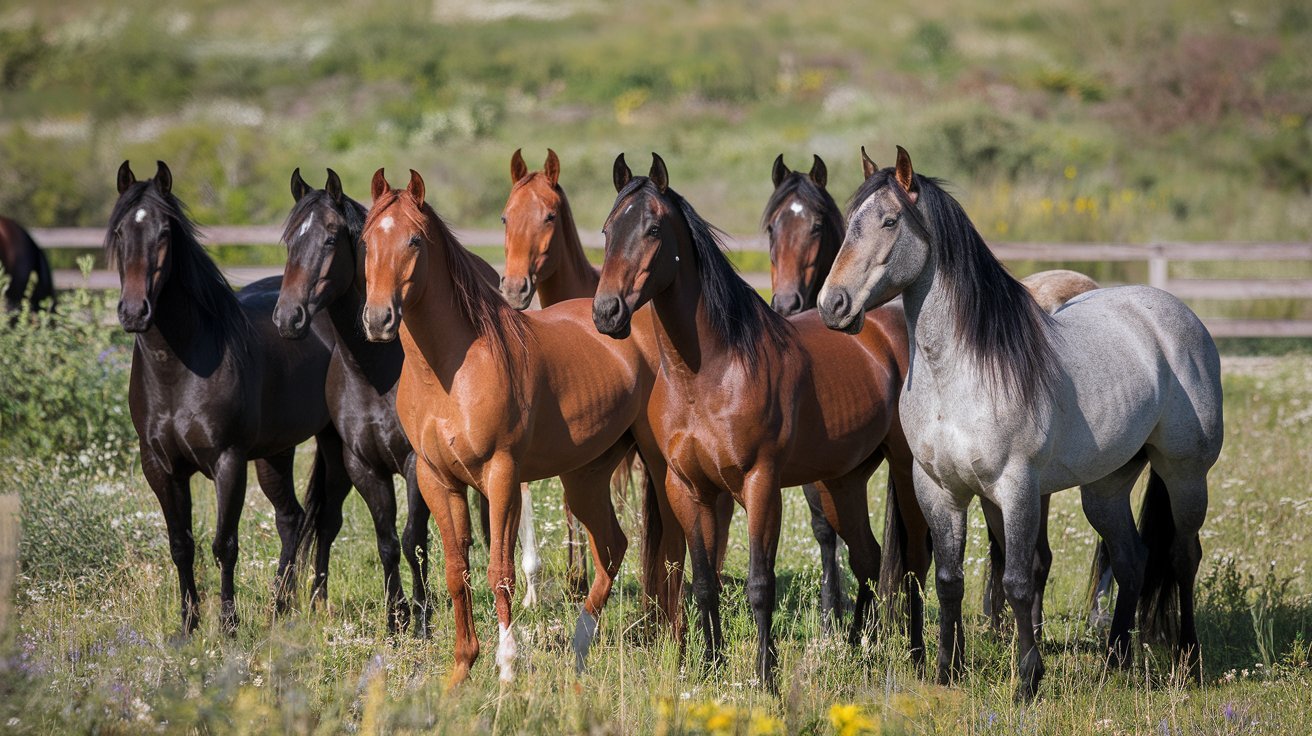
The word cavallos can appear in different contexts, which is why people searching for it may be looking for very different information. It can be connected with horses, language, names, businesses, places, or online content. If you have recently encountered the term and want to understand what it means, its history, or how it relates to horses, context is the key.
For many people, the closest connection is with the Italian word cavallo, meaning “horse.” The plural form in Italian is “cavalli,” while similar horse-related words appear in several Romance languages. The spelling “cavallos” may also occur as a name or variant in other contexts.
This guide explores the meaning and possible uses of cavallos while focusing on the horse-related connection that makes the term particularly interesting. It also looks at horses in history, their relationship with humans, different types of horses, basic care, and frequently asked questions.
What Does Cavallos Mean?
The first thing to understand about cavallos is that its meaning depends on context. People sometimes use variations of horse-related words as names for websites, brands, organizations, creative projects, or businesses.
The Italian singular word “cavallo” means horse. The term has deep linguistic roots and is related to words used across European languages for horses and horsemanship. Latin’s caballus is commonly identified as an important source for several Romance-language horse terms.
Because cavallos can appear as a proper name rather than a standard dictionary word, the intended meaning should be determined from where you found it.
If you encountered cavallos in an article about animals, riding, agriculture, or equestrian sports, the horse connection is likely relevant. If it appeared as the name of a company or website, it may have a completely different meaning.
Understanding this distinction prevents confusion and makes it easier to find the information you actually need.
The Connection Between Cavallos and Horses
Horses have played an extraordinary role in human civilization. For thousands of years, people have relied on horses for transportation, farming, communication, warfare, sport, and companionship.
The relationship between humans and horses developed over a long period. Once horses became domesticated, they could be trained for specific tasks. Their strength, speed, endurance, and ability to learn made them valuable across many societies.
Horses eventually became associated with different cultures and traditions. In some regions, they were primarily working animals. In others, they became important symbols of wealth, status, freedom, or military power.
Today, horses remain important even though modern transportation has replaced many of their traditional roles. People ride horses for recreation, compete in equestrian sports, work with them on farms and ranches, and keep them as companion animals.
The horse-related meaning of cavallos therefore connects with a subject that has a long and fascinating history.
A Brief History of Horses and Humans
The history of horses extends far beyond modern riding. Ancient horse ancestors evolved over millions of years, gradually changing in body size, teeth, and limb structure as their environments changed.
Modern horses belong to the genus Equus. Domestication transformed the relationship between horses and people, allowing humans to breed and train them for different purposes.
Horses became particularly significant as transportation improved. Mounted travel allowed people to cover greater distances more quickly than walking. Horses also helped move goods and supported agricultural work.
Military use was another major development. Cavalry forces played important roles in many historical societies. The mobility provided by mounted soldiers could influence how armies moved and fought.
Over time, selective breeding produced horses with different physical characteristics and temperaments. Some were developed for speed, some for strength, and others for specific types of riding or work.
The industrial and technological revolutions reduced the economic need for working horses in many parts of the world. Cars, tractors, trains, and other machines replaced many traditional jobs.
However, horses did not disappear from human life. Instead, their role shifted toward recreation, sport, breeding, therapy programs, tourism, and companionship.
Popular Horse Types and Breeds
When discussing horses in connection with cavallos, it is useful to understand that horses come in many breeds and types. Each has characteristics shaped by genetics, geography, breeding goals, and historical use.
Arabian horses are known for their endurance, refined appearance, and long history. They have influenced the development of numerous other breeds.
Thoroughbreds are strongly associated with racing. They are bred for speed and athletic performance and are also used in other equestrian disciplines.
Quarter Horses have a long association with ranch work and are widely recognized for their athleticism and versatility.
Clydesdales are draft horses known for their substantial size and strength. Historically, horses of this type were used for heavy work.
Andalusians have a long Spanish history and are associated with classical riding traditions.
Friesians are known for their dark coats, flowing manes, and distinctive appearance. They are popular in riding, driving, and performance settings.
These are only a few examples. Thousands of horse breeds, types, and regional populations have developed around the world, each with its own history and characteristics.
Basic Horse Care and Welfare
Anyone interested in cavallos or horses should understand that keeping a horse is a significant responsibility. Horses need appropriate food, clean water, shelter, exercise, veterinary care, and regular attention.
Nutrition is one of the foundations of horse health. Most horses require a diet based primarily on forage, such as grass or hay, with additional feed provided when appropriate for the individual animal.
Fresh, clean water should always be available. A horse’s water needs can change depending on weather, exercise, diet, age, and health.
Hoof care is also essential. Hooves grow continuously and need regular inspection and maintenance. Depending on the horse and its workload, professional trimming or shoeing may be necessary.
Dental care matters as well. Horses’ teeth continue to change throughout their lives, and regular veterinary or professional dental examinations can help identify problems.
Exercise should match the horse’s age, condition, training, and workload. Too little activity can contribute to physical and behavioral problems, while excessive or inappropriate exercise can cause injury.
Good welfare also includes mental stimulation and appropriate social interaction. Horses are social animals, and their environment can affect their behavior and overall well-being.
Cavallos in Modern Equestrian Culture
Modern equestrian culture includes a wide range of activities. Horse enthusiasts may participate in dressage, show jumping, eventing, racing, endurance riding, trail riding, driving, western disciplines, or recreational riding.
Each discipline requires different skills. Dressage emphasizes communication, balance, precision, and controlled movement. Show jumping focuses on navigating a course of obstacles. Endurance riding tests the horse and rider over long distances.
Western riding includes several disciplines influenced by ranch traditions. These can include reining, cutting, barrel racing, and other competitive activities.
Horses are also used outside traditional competition. Therapeutic and educational programs may incorporate horses into structured activities, although these programs should be conducted by appropriately trained professionals.
Social media has also changed how people discover horse culture. Riders, trainers, breeders, photographers, veterinarians, and enthusiasts can share information and experiences with audiences around the world.
This has made horse-related content more accessible while also increasing the importance of responsible information. Not every training tip or care recommendation shared online is appropriate for every horse.
Frequently Asked Questions About Cavallos
What does cavallos mean?
Cavallos can have different meanings depending on context. It may be used as a name or variant, while its spelling is also closely associated with horse-related terminology. The Italian word “cavallo” means horse.
Is cavallos related to horses?
It can be, depending on the context. The Italian word “cavallo” directly means horse, and horse-related terminology appears in many Romance languages. If cavallos is being used as a proper name, its meaning may be different.
What is the Italian word for horse?
The Italian singular word for horse is “cavallo.” Its plural is “cavalli.”
What do horses need to stay healthy?
Horses generally need suitable nutrition, fresh water, shelter, appropriate exercise, hoof care, dental care, veterinary attention, and a safe environment. Individual needs vary by age, health, workload, and living conditions.
Are horses good pets?
Horses can form strong relationships with people, but keeping one requires substantial time, space, knowledge, and financial commitment. They should be viewed as long-term animal-care responsibilities rather than low-maintenance pets.
What are horses commonly used for today?
Modern horses are used for recreation, competitive sports, trail riding, ranch work, breeding, driving, tourism, education, and various structured therapeutic programs.
Final Thoughts on Cavallos
The term cavallos can lead to several different interpretations, but its connection with horse-related language makes it an interesting subject. The Italian word “cavallo” means horse, and the broader history of horse terminology reflects the deep relationship between humans and these animals.
Horses have influenced transportation, agriculture, warfare, sport, culture, and everyday life for centuries. Although technology has replaced many of their traditional jobs, horses remain important in modern society through equestrian sports, recreation, ranching, breeding, and companionship.
Understanding horses also means understanding responsible care. Proper nutrition, clean water, hoof maintenance, veterinary attention, exercise, safe housing, and good welfare practices are all essential.
If you encountered cavallos as the name of a specific website, company, product, or online service, the context should be checked separately because a proper name may not have the same meaning as the horse-related terminology.
Whether your interest comes from language, history, equestrian culture, or simply curiosity about the term, cavallos provides an interesting starting point for exploring the long-standing connection between people and horses.

Leave a Reply