
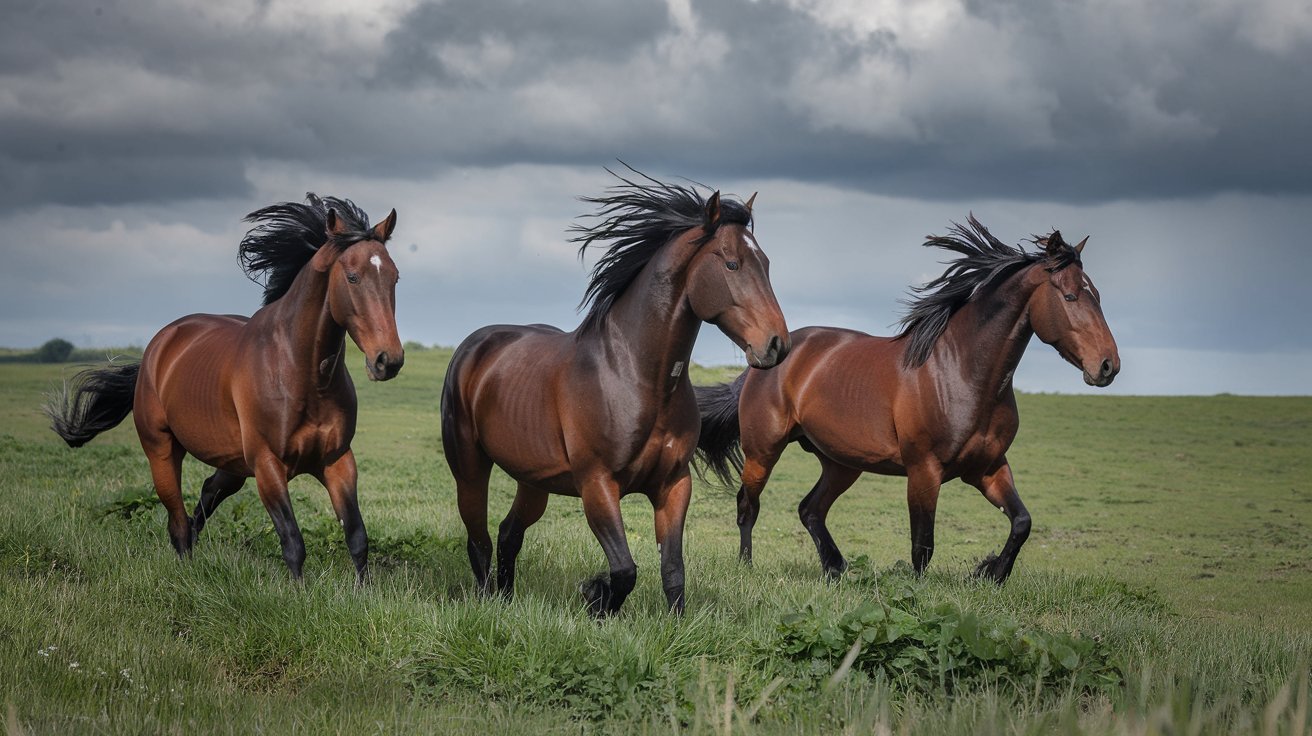
When people search for cavallos, they may be looking for information about horses, the meaning of the word, horse culture, or a specific name used online. The term is closely connected with horse-related language, particularly the Italian word cavallo, which means “horse.” At the same time, cavallos can appear in other contexts as a name, so the exact meaning depends on where you encountered it.
Horses have been part of human life for thousands of years. They have carried riders, helped farmers, transported goods, competed in sporting events, and become valued companions. Today, interest in horses continues through riding, racing, breeding, ranch work, equestrian sports, and online communities.
This guide explains the meaning behind cavallos, explores the history and characteristics of horses, introduces popular breeds, discusses responsible horse care, and answers common questions people may have when searching for the term.
What Does Cavallos Mean?
The word cavallos can have different meanings depending on the context. One important connection is the Italian word cavallo, which translates to “horse” in English. The Italian plural form is cavalli. Horse-related words also appear across other Romance languages because many developed from Latin.
The spelling “cavallos” may therefore be encountered in contexts involving horses, riding, equestrian culture, or historical language. However, it can also function as a proper name for a business, website, project, organization, or online account.
When researching an unfamiliar term, context is essential. If you found cavallos alongside photographs of horses, riding equipment, stables, or equestrian events, its horse-related meaning is likely relevant. If you encountered it as a brand or website name, it may have a completely different purpose.
Language can also change across regions and communities. Words may be adapted, misspelled, pluralized differently, or used creatively online. For that reason, it is better to examine the source where the term appears rather than assuming that one interpretation applies everywhere.
The Long Relationship Between Horses and Humans
Horses have one of the most significant relationships with humans among domesticated animals. Their strength, speed, endurance, and ability to respond to training made them valuable for transportation and work.
Before modern vehicles existed, horses provided an efficient way to travel over land. Riders could cover distances much faster than people traveling on foot, while horse-drawn vehicles allowed people to transport passengers and goods.
Agriculture also benefited from horses. In many regions, horses were used to pull equipment and carry supplies. Their contribution to farming continued until mechanized tractors and other machines became widely available.
Horses also played major roles in military history. Mounted soldiers could travel quickly, carry equipment, and communicate across large areas. Different civilizations developed specialized cavalry traditions and breeding programs to produce animals suited to particular environments and purposes.
Over time, selective breeding created many distinct horse breeds. Breeders focused on characteristics such as speed, strength, endurance, temperament, appearance, and suitability for specific work.
Modern technology has reduced the need for horses in transportation and heavy labor, but their cultural importance remains. Horses are now widely associated with recreation, competition, ranching, tourism, breeding, and companionship.
Popular Horse Breeds to Know
One of the most interesting aspects of horse culture is the variety of breeds developed around the world. Each breed has its own history, physical traits, and traditional uses.
Arabian Horse
The Arabian is one of the world’s best-known horse breeds. It is recognized for endurance, an elegant appearance, and a long history associated with the Arabian Peninsula. Arabians have also influenced the development of other breeds.
Thoroughbred
Thoroughbreds are strongly associated with horse racing. They are bred for speed and athletic ability and can also participate in jumping, eventing, and other equestrian activities.
American Quarter Horse
The American Quarter Horse is known for versatility and athletic ability. It has strong connections with ranch work and western riding and is used in many different equestrian disciplines.
Andalusian
The Andalusian has a long history in Spain and is associated with classical riding traditions. Its appearance and controlled movement have made it popular in performance and dressage.
Friesian
Friesian horses are particularly recognizable because of their dark coats, long manes, and distinctive presence. They are used for riding, driving, and various forms of performance.
Clydesdale
Clydesdales are large draft horses historically bred for heavy work. Their strength and striking appearance have made them widely recognized beyond agricultural settings.
These examples demonstrate why the horse world is so diverse. A horse’s breed can provide information about its ancestry, traditional purpose, physical characteristics, and expected abilities, although individual horses can vary considerably.
Understanding Horse Care and Daily Needs
Owning or caring for a horse requires commitment. Horses are large animals with specific physical and behavioral needs, and responsible care should be planned before bringing one into a home or stable.
Nutrition is a central part of horse care. Most horses depend heavily on forage such as grass or hay. Concentrated feeds may be appropriate in certain situations, but diet should reflect the individual horse’s age, workload, body condition, and health.
Fresh water is essential. Horses can require significant amounts of water, particularly in hot weather or after exercise. Water sources should be clean and checked regularly.
Hoof care is another basic responsibility. A horse’s hooves grow continuously and should be inspected and maintained on a regular schedule. Some horses require shoes depending on their workload, environment, and individual hoof condition.
Dental care should not be overlooked. Horses’ teeth continue to change throughout their lives, and regular examinations can help identify problems that could affect eating or comfort.
Exercise should be appropriate for the individual horse. Regular movement supports physical fitness, but exercise programs should take age, conditioning, workload, and health into account.
Horses also need suitable shelter and a safe environment. Fencing should be secure, hazards should be removed, and the living area should be maintained properly.
Cavallos and Modern Equestrian Sports
The modern horse world includes numerous sports and recreational activities. Equestrian disciplines range from traditional riding to highly specialized competitions.
Dressage focuses on communication, balance, precision, and controlled movements. Riders develop a partnership with the horse through structured training.
Show jumping involves navigating a course of obstacles. Accuracy, timing, athletic ability, and communication between horse and rider are important.
Eventing combines multiple disciplines and tests a horse and rider across different skills.
Endurance riding involves long-distance competition and places emphasis on conditioning, pacing, navigation, and careful management of the horse.
Western disciplines include activities such as reining, cutting, barrel racing, and other events that developed from ranch and stock-handling traditions.
Outside competition, many people simply enjoy trail riding or spending time around horses. Recreational riding can provide an opportunity to learn horsemanship while exploring outdoor environments.
Social media has also expanded interest in equestrian culture. Riders and trainers can share training videos, horse-care information, competition experiences, and photographs with audiences around the world. However, online advice should always be considered carefully because a technique that works for one horse may not be suitable for another.
How to Choose the Right Horse
Choosing a horse is a major decision. The right horse depends on the rider’s experience, goals, available facilities, budget, and ability to provide long-term care.
A beginner should generally seek guidance from experienced horse professionals before purchasing. Temperament, training, age, health, and previous experience can be more important than appearance alone.
Think about the intended purpose. A person interested in relaxed trail riding may have different requirements from someone preparing for competition.
Health should also be investigated. A professional veterinary examination before purchase can help identify potential issues. Buyers should also review available medical and ownership records.
The horse’s environment matters. Before bringing an animal home, make sure you have appropriate fencing, shelter, feed storage, water access, turnout space, and arrangements for veterinary and hoof care.
Financial planning is equally important. Horse ownership involves recurring expenses rather than just the initial purchase price. Feed, farrier services, veterinary care, equipment, boarding, transportation, and emergency costs can all contribute to the long-term budget.
Taking time to evaluate these factors can help prevent a rushed decision.
Frequently Asked Questions About Cavallos
What is the meaning of cavallos?
Cavallos can have different meanings depending on its context. It is closely associated with horse-related terminology, including the Italian word cavallo, which means “horse.” It can also be used as a proper name.
What is the Italian word for horse?
The Italian word for a horse is cavallo. The plural is cavalli.
Are cavallos and horses related?
If cavallos is being used in a horse-related linguistic context, it is connected with terminology referring to horses. However, if it is being used as the name of a brand, website, or project, its meaning may be unrelated.
What are horses commonly used for today?
Horses are used for recreational riding, racing, equestrian sports, ranch work, breeding, driving, tourism, education, and companionship. Their traditional transportation role has declined because of modern vehicles.
How much care does a horse need?
Horses require daily attention to food, water, safety, exercise, and general well-being. Regular hoof and dental care, veterinary attention, suitable shelter, and appropriate nutrition are also important.
Which horse breed is best?
There is no single breed that is right for every rider or purpose. Different breeds have different characteristics, and the appropriate choice depends on experience, intended activity, temperament, facilities, and individual horse health.
Final Thoughts on Cavallos
The term cavallos can be interpreted in different ways, but its connection to horse-related language makes it an interesting topic for anyone interested in horses, language, or equestrian culture. The Italian word cavallo means horse, while cavalli is the Italian plural form.
Horses have shaped human history through transportation, agriculture, communication, military activity, sport, and companionship. Their importance has evolved as technology has changed, but millions of people continue to value horses for riding, competition, ranch work, breeding, and recreation.
Learning about horses also means understanding the responsibility involved in caring for them. Good nutrition, clean water, appropriate exercise, regular hoof and dental care, veterinary support, and a safe living environment are essential parts of responsible ownership.
If you encountered cavallos as the name of a particular website, company, product, or online project, that specific context should be investigated separately. A proper name may have no connection with the linguistic meaning of horse-related terms.
Whether your interest is based on the meaning of the word, the history of horses, horse breeds, or modern equestrian activities, cavallos provides a useful starting point for exploring the remarkable relationship between humans and horses.

Leave a Reply