
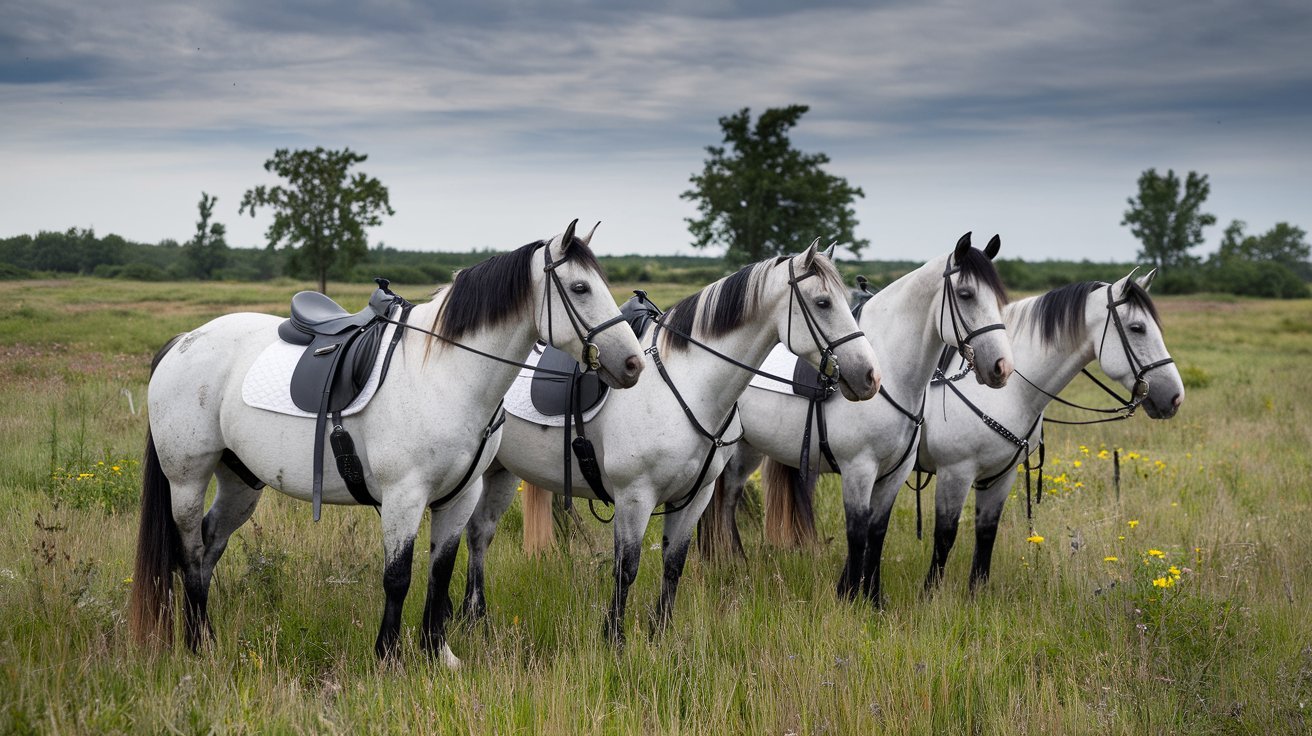
If you have searched for cavallos, you may be trying to understand the meaning of the term, its connection with horses, or the context in which it appears online. It is an unusual word, so it can be difficult to determine exactly what someone means when they use it. In many contexts, the term is connected with horse-related language, while in other situations it may be used as a name for a website, business, project, or online identity.
The closest widely recognized term is the Italian word cavallo, which means “horse.” The plural form in Italian is cavalli. Horse terminology has developed across many languages and cultures, reflecting the important role these animals have played in human history.
This guide explains what cavallos may mean, explores the history of horses, looks at popular breeds and equestrian activities, and covers the basics of responsible horse care. It also answers common questions for people who have encountered the term and want a clearer understanding.
What Does Cavallos Mean?
The meaning of cavallos depends on the context in which it is used. The word is strongly reminiscent of horse-related terminology, particularly the Italian cavallo, meaning “horse.” However, cavallos itself may also appear as a proper name or online identifier.
Language is full of words that change as they move between cultures. Names can be adapted, misspelled, translated, or used creatively. This means that a spelling that resembles a familiar word does not necessarily have the same grammatical or dictionary meaning.
If you encountered cavallos while reading about riding, horses, breeds, racing, or equestrian sports, the connection with horses is likely relevant. If you found it as the name of a website or company, you should examine that particular source to understand its intended meaning.
The context is therefore the most reliable starting point. Look at the words surrounding cavallos, the subject of the page, and the exact website or publication where it appears.
Cavallos and the Meaning of Horse
The relationship between cavallos and the word cavallo is particularly interesting from a language perspective. Italian uses cavallo for a horse and cavalli for horses.
The Italian term is historically connected to Latin horse terminology. Latin caballus is generally recognized as an important source for horse-related words in several Romance languages.
Similar linguistic relationships can be found across Europe. Languages often borrow and adapt words over centuries, and terms connected with important animals can develop several regional forms.
Horses were extremely important to ancient and medieval societies, so it is not surprising that horse-related vocabulary appears throughout European languages.
When someone searches for cavallos, they may therefore be approaching the topic from a linguistic perspective rather than searching for a specific horse or website. Understanding the distinction between a standard word and a proper name can help avoid confusion.
The History of Horses and Human Civilization
Horses have influenced human civilization for thousands of years. Their physical abilities made them valuable for transportation, agriculture, communication, military activities, and trade.
Before automobiles and trains became common, horses were one of the most practical ways to travel long distances over land. Horse-drawn vehicles also allowed people to move passengers, food, equipment, and other goods.
Agricultural communities used horses to perform tasks that required strength. They could pull equipment, transport materials, and support work that would otherwise require significant human effort.
Horses also changed warfare. Mounted soldiers could move quickly across large areas, while cavalry units became important components of many historical armies. Breeding programs often focused on producing horses capable of performing particular military roles.
As transportation and farming became mechanized, horses gradually became less important for everyday industrial work. Cars, trucks, tractors, and other machines took over many tasks.
However, horses remained an important part of culture. Today, people interact with horses through recreational riding, competitive sports, ranch work, breeding, tourism, education, and companionship.
Their historical importance helps explain why horse-related terminology remains prominent in many languages and cultures.
Popular Horse Breeds and Their Characteristics
There are hundreds of recognized horse breeds and numerous regional types. Each has developed through selective breeding and environmental adaptation.
Arabian Horses
Arabian horses are famous for their endurance and distinctive appearance. They have a long history and have contributed to the development of other breeds around the world.
Thoroughbreds
Thoroughbreds are particularly associated with racing. They are bred for athletic performance and speed, although individual Thoroughbreds may also participate in disciplines such as jumping and eventing.
American Quarter Horses
American Quarter Horses are known for versatility and athleticism. They have strong historical connections with ranch work and western riding and participate in many recreational and competitive activities.
Andalusian Horses
Andalusians originated in Spain and have a long association with classical riding. Their appearance, movement, and trainability have contributed to their popularity in performance disciplines.
Friesian Horses
Friesians are recognizable for their dark coats, flowing manes, and impressive presence. They are commonly seen in riding, driving, exhibitions, and performance settings.
Draft Horses
Draft breeds such as Clydesdales and Percherons were developed for strength and heavy work. Their size and power made them valuable before machines replaced much agricultural and industrial horse labor.
The right horse depends on the purpose. A breed known for racing may not be the ideal choice for a beginner seeking relaxed trail riding, while a draft horse may have very different care and equipment requirements from a lightweight riding breed.
How to Care for a Horse Properly
Horse ownership involves much more than riding. Horses need consistent daily care and a suitable environment.
Food and nutrition are fundamental. Horses generally rely heavily on forage such as grass or hay. Additional feed may be appropriate depending on age, workload, body condition, and individual needs.
Water must be available and clean. Horses can drink substantial amounts, especially during hot weather or after physical activity.
Hoof care is another essential responsibility. Hooves grow continuously and should be inspected regularly. Professional trimming or shoeing may be needed depending on the horse.
Dental care is also important. Changes in a horse’s teeth can affect its ability to chew and maintain good nutrition. Regular professional examinations can help identify problems.
Exercise should be appropriate for the horse. A structured exercise routine can support fitness and mobility, but the amount and intensity should reflect age, conditioning, health, and workload.
Shelter and safety should never be overlooked. Horses need protection from severe weather and a secure environment free from unnecessary hazards.
Finally, horses need appropriate social and mental stimulation. They are social animals, and their welfare depends on more than food and physical shelter.
Modern Equestrian Activities
The modern horse world includes many sports and recreational activities. Some people ride purely for enjoyment, while others participate in organized competitions.
Dressage emphasizes precise movements, balance, responsiveness, and communication between horse and rider. Show jumping involves navigating obstacles while maintaining control, rhythm, and accuracy.
Eventing combines multiple disciplines and tests different aspects of horsemanship and athletic performance. Endurance riding involves long distances and requires careful attention to pacing and horse welfare.
Western riding includes disciplines such as reining, cutting, and barrel racing. These activities developed partly from the practical requirements of ranch and livestock work.
Trail riding offers a less competitive approach. Riders can explore outdoor environments while developing confidence and horsemanship.
Horses are also involved in driving, where they pull specially designed vehicles. Depending on the discipline, driving can range from recreational activities to organized competitions.
Online communities have made these activities easier to discover. Riders can share photographs, training experiences, competition results, and horse-care information with people around the world.
However, online advice should be evaluated carefully. A technique suitable for one horse may not be appropriate for another, particularly when health, behavior, or specialized training is involved.
Frequently Asked Questions About Cavallos
What is cavallos?
Cavallos is an uncommon term whose meaning depends on context. It is closely associated in appearance with horse-related language, especially the Italian word cavallo, which means “horse.” It may also be used as a proper name.
What does cavallo mean?
Cavallo is the Italian word for “horse.” The Italian plural is cavalli.
Is cavallos the Italian word for horses?
No. The standard Italian singular is cavallo, while the standard plural is cavalli. The spelling cavallos may appear in other contexts or as a name, but it is not the standard Italian plural.
Why are horses important in history?
Horses provided transportation, agricultural assistance, communication, and military mobility. Their speed and strength had a major influence on how people traveled, worked, traded, and conducted military campaigns.
What are horses used for today?
Modern horses are used for recreation, racing, dressage, jumping, eventing, ranch work, trail riding, driving, breeding, tourism, and companionship.
What does a horse need every day?
A horse generally needs suitable food, clean water, safe shelter, appropriate movement, regular observation, and proper hygiene. Hoof, dental, and veterinary care are also important parts of responsible ownership.
Final Thoughts on Cavallos
The term cavallos is interesting because it can lead to different interpretations. In horse-related contexts, it is closely connected to the Italian cavallo, meaning “horse.” However, the same spelling can potentially be used as a proper name, so the exact context should always be considered.
The history of horses provides an important reason why horse-related words appear so often across languages and cultures. Horses transformed transportation, agriculture, trade, communication, and military activities and later became central to recreation and equestrian sport.
Today, horses continue to play an important role in people’s lives. From racing and dressage to ranch work and relaxed trail riding, there are many ways to appreciate these animals.
Anyone considering horse ownership should remember that horses require long-term commitment. Good nutrition, clean water, hoof and dental care, veterinary support, exercise, safe housing, and appropriate social conditions are all part of responsible care.
If you encountered cavallos as the name of a particular website, company, product, or online project, that meaning should be investigated separately. A proper name does not necessarily have the same meaning as the related horse terminology.
Whether your interest is language, history, horse breeds, or equestrian culture, understanding the context behind cavallos is the best way to find the information you are looking for.

Leave a Reply